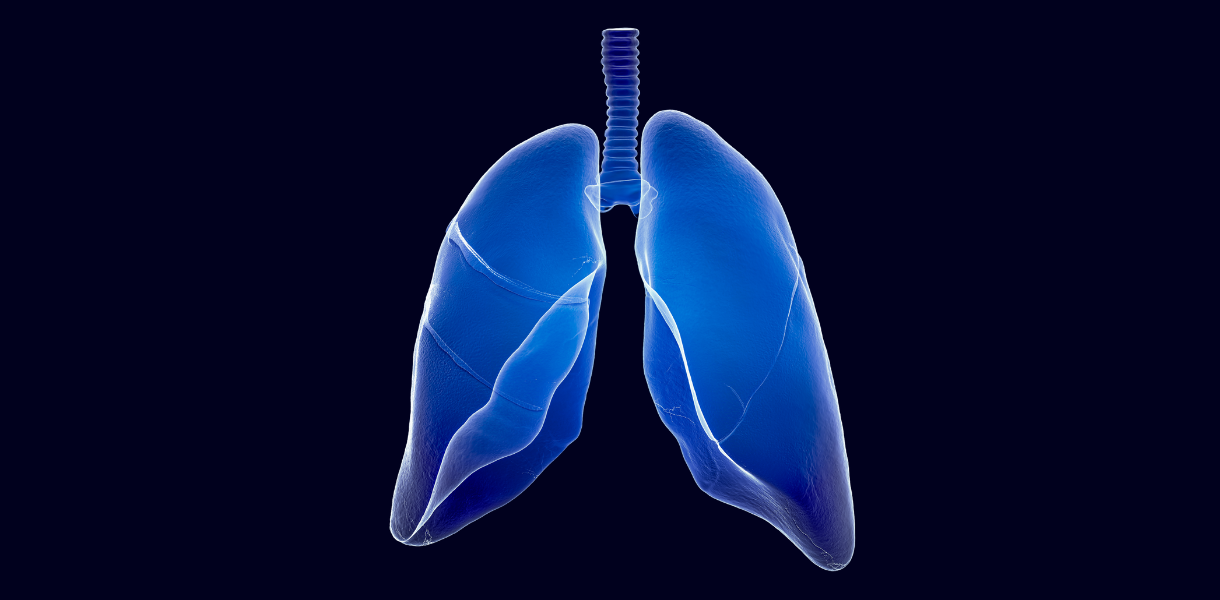
Pulmonary Hypertension
Pulmonary Hypertension (PH) is a condition characterized by abnormally high blood pressure in the arteries of the lungs. Normally, the pulmonary arteries carry blood from the right side of the heart to the lungs for oxygenation at relatively low pressure. In PH, the pressure inside these arteries rises due to narrowing, stiffening, or blockage of the blood vessels, making it harder for the heart to pump blood through the lungs.This increased pressure causes the right ventricle of the heart to work harder, which over time can lead to right heart enlargement and failure.
PH can result from various underlying conditions, including left heart disease, lung diseases (such as COPD or interstitial lung disease), chronic blood clots in the lungs (chronic thromboembolic pulmonary hypertension), or it may be idiopathic (with no identifiable cause).Treatment depends on the cause and severity of PH but may include oxygen therapy, diuretics, blood thinners, and specialized medications like endothelin receptor antagonists, phosphodiesterase-5 inhibitors, or prostacyclin analogues that help dilate the pulmonary arteries and reduce pressure. In severe cases, lung transplantation may be considered.