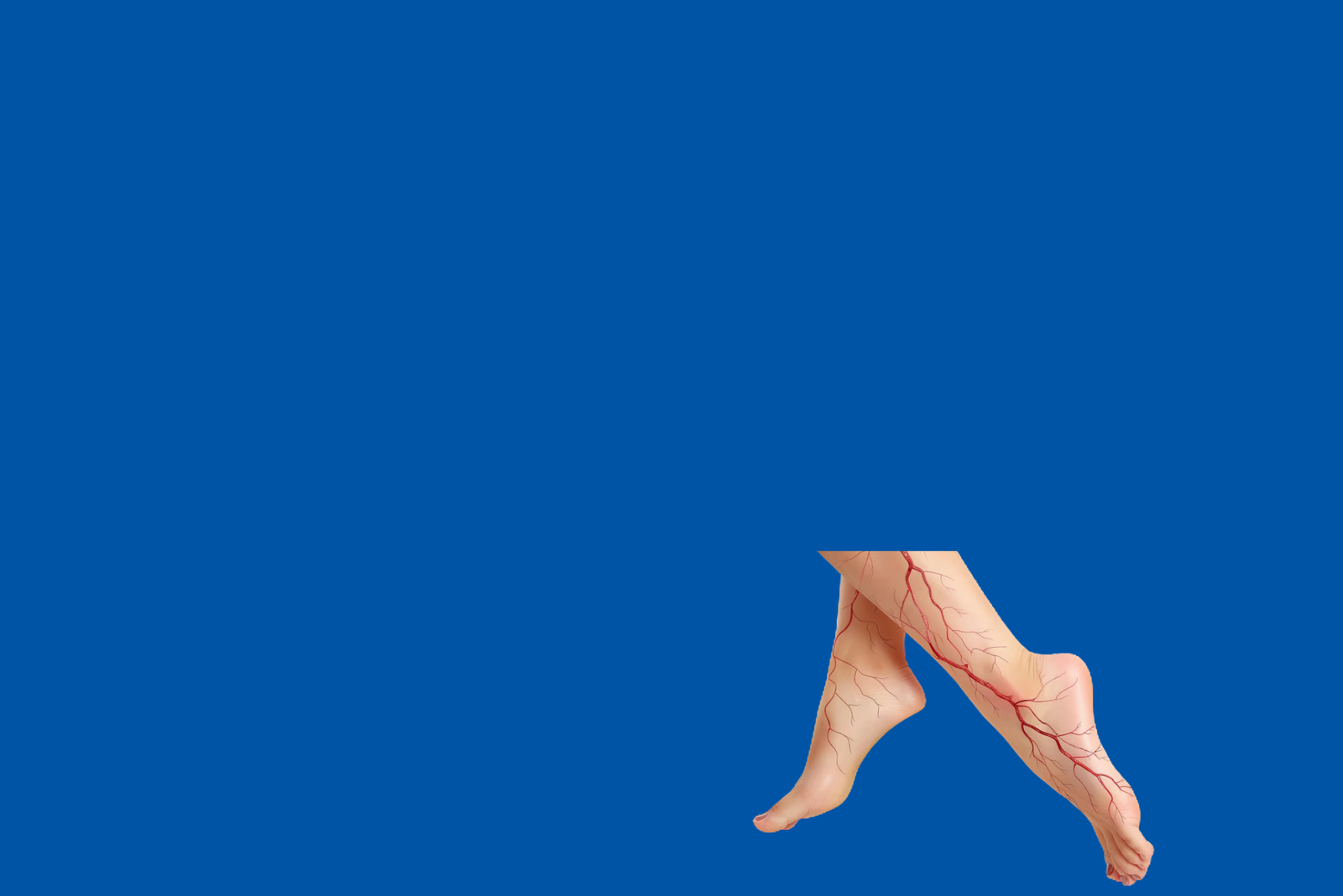
Peripheral Vascular Disease
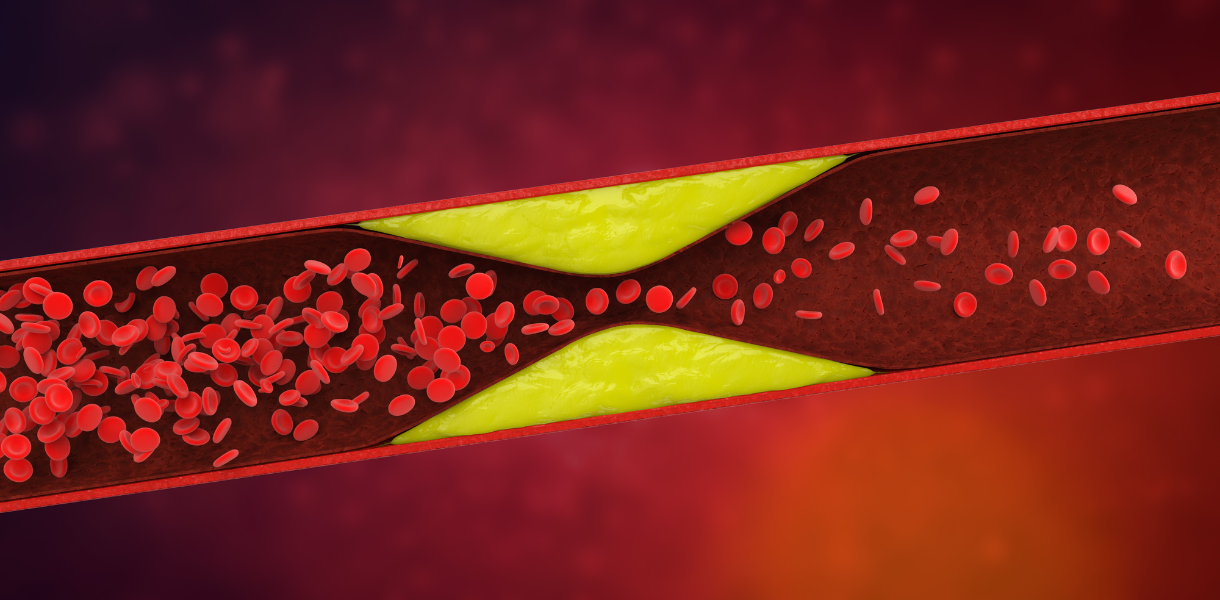
Peripheral Vascular Disease (PVD) refers to a group of disorders that affect the blood vessels outside of the heart and brain, primarily those that supply the arms, legs, and organs such as the stomach and kidneys. It is most commonly caused by atherosclerosis, a condition in which plaque builds up in the walls of arteries, leading to narrowing or blockage of the blood vessels and reduced blood flow.
The most common form of PVD is Peripheral Artery Disease (PAD), which affects arteries (not veins) and usually involves the legs. As the arteries become narrowed or blocked, blood flow to the limbs is reduced, leading to symptoms like pain, cramping, numbness, or weakness in the legs during walking or exercise — a condition known as intermittent claudication. As the disease progresses, symptoms may occur even at rest, and in severe cases, it can lead to ulcers, gangrene, and potential limb amputation.
Diagnosis is made using clinical evaluation and tests like the Ankle-Brachial Index (ABI), Doppler ultrasound, CT angiography, MR angiography, and sometimes angiogram. Early detection is crucial to prevent serious complications.Treatment focuses on lifestyle changes (especially smoking cessation and exercise), medications to control risk factors, and in some cases procedures or surgery to restore blood flow. Procedures include angioplasty with stenting, bypass surgery, and endarterectomy.